Two Days at San José: When the Ocean Humbles Everyone
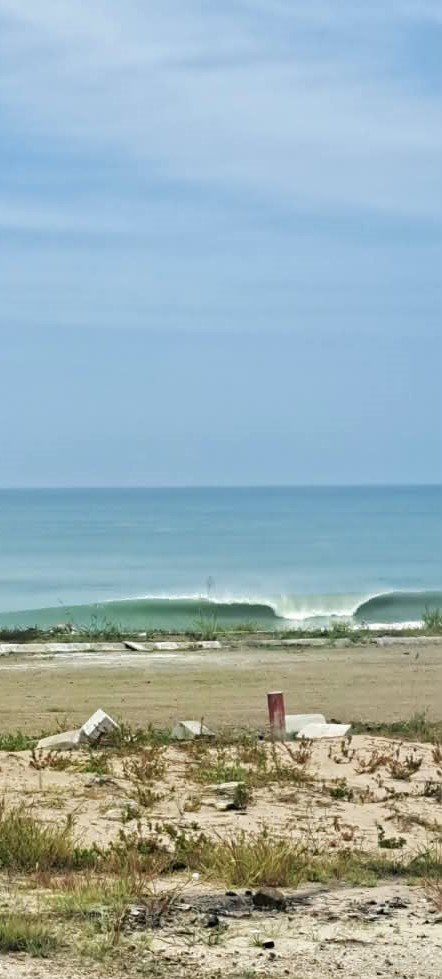
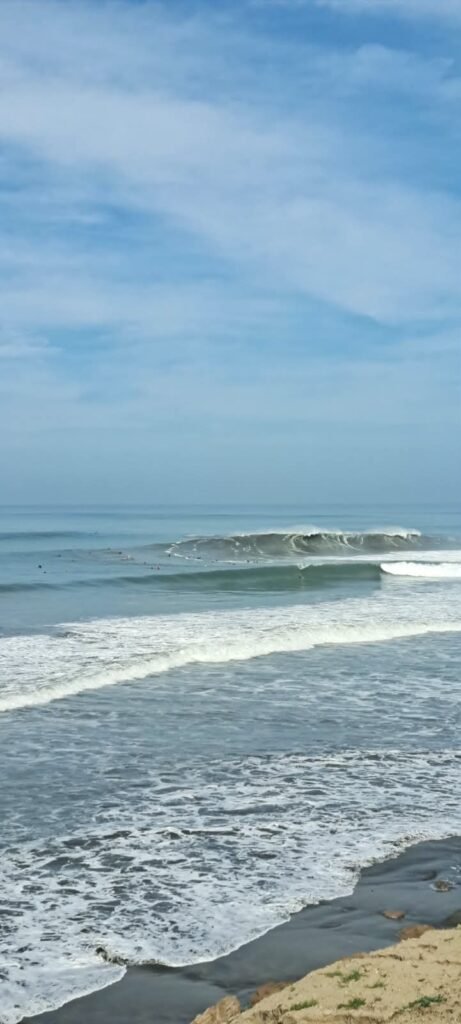
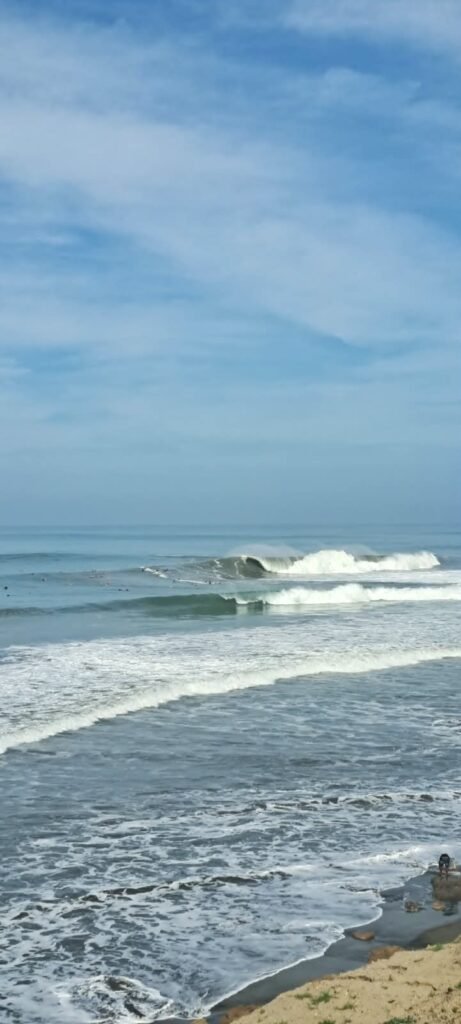
On March 10th and 11th, 2026, we visited one of the jewels of Ecuadorian surf: the famous wave of San José. A south-southwest swell was on its way, and every model pointed to the same thing: it was going to be big.
According to the official report from INOCAR (Ecuador’s Naval Oceanographic Institute), the swell those days arrived from the south and southwest, with open-water heights up to 1.9 meters and long periods, coinciding with a spring tide (aguaje) around March 11th that generated powerful rip currents and a massive movement of water along the beaches.
Now, here’s something every visitor should understand before reading too much into a forecast. Swell height measures the back of the wave in open water, not the face you actually ride. That 1.9-meter reading on your app can stand up into a 4 or 5-meter face once it hits the sandbar. It’s the same reason surfers joke about “Hawaiian meters” versus “normal meters.” So when I tell you the waves were up to 5 meters, and the forecast said 2, both are true. They’re just measuring different parts of the same wave.
At 7:30 that morning we passed another of the beach breaks along the coast, and the surf looked small, nothing close to what had been announced. For a moment I relaxed, thinking the size and power would be manageable for our physical reality.
I was wrong.
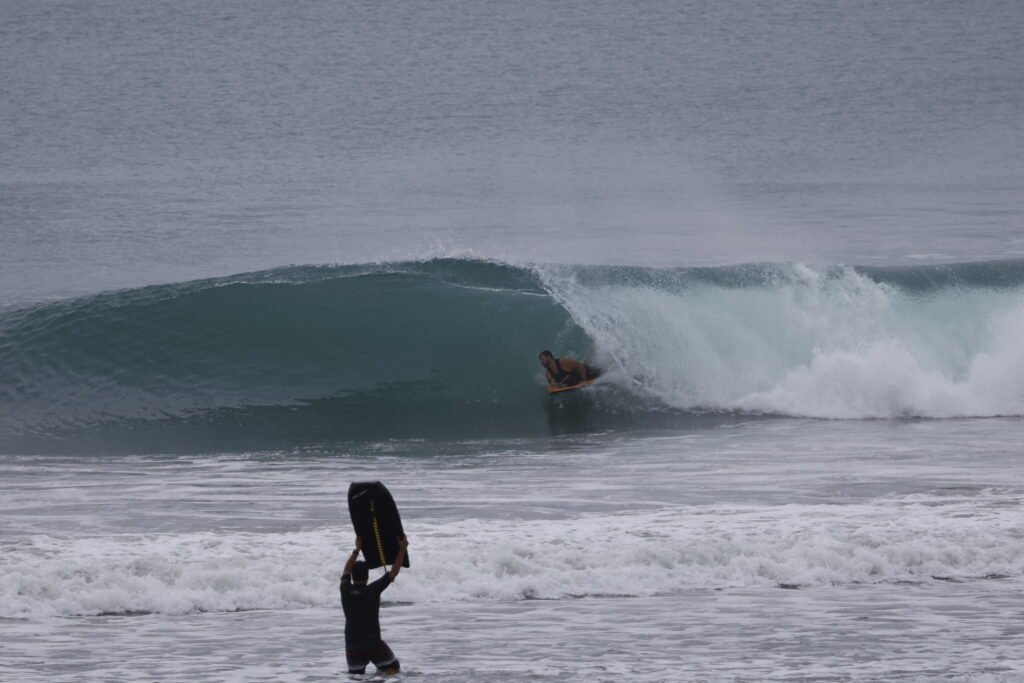
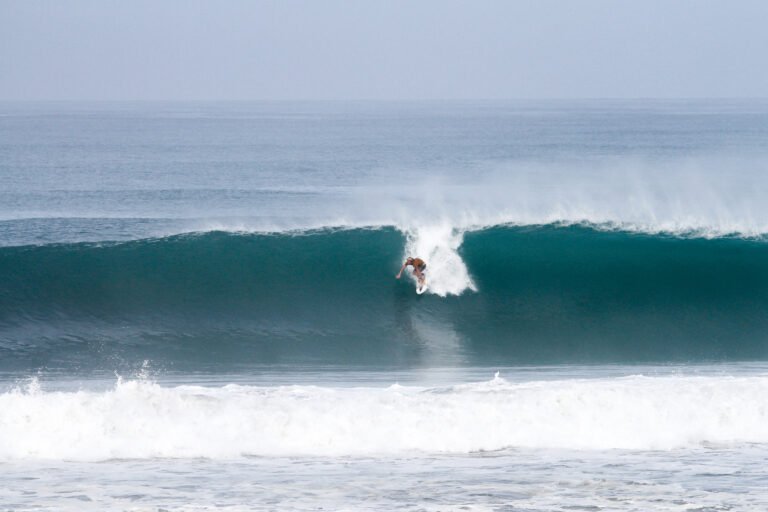
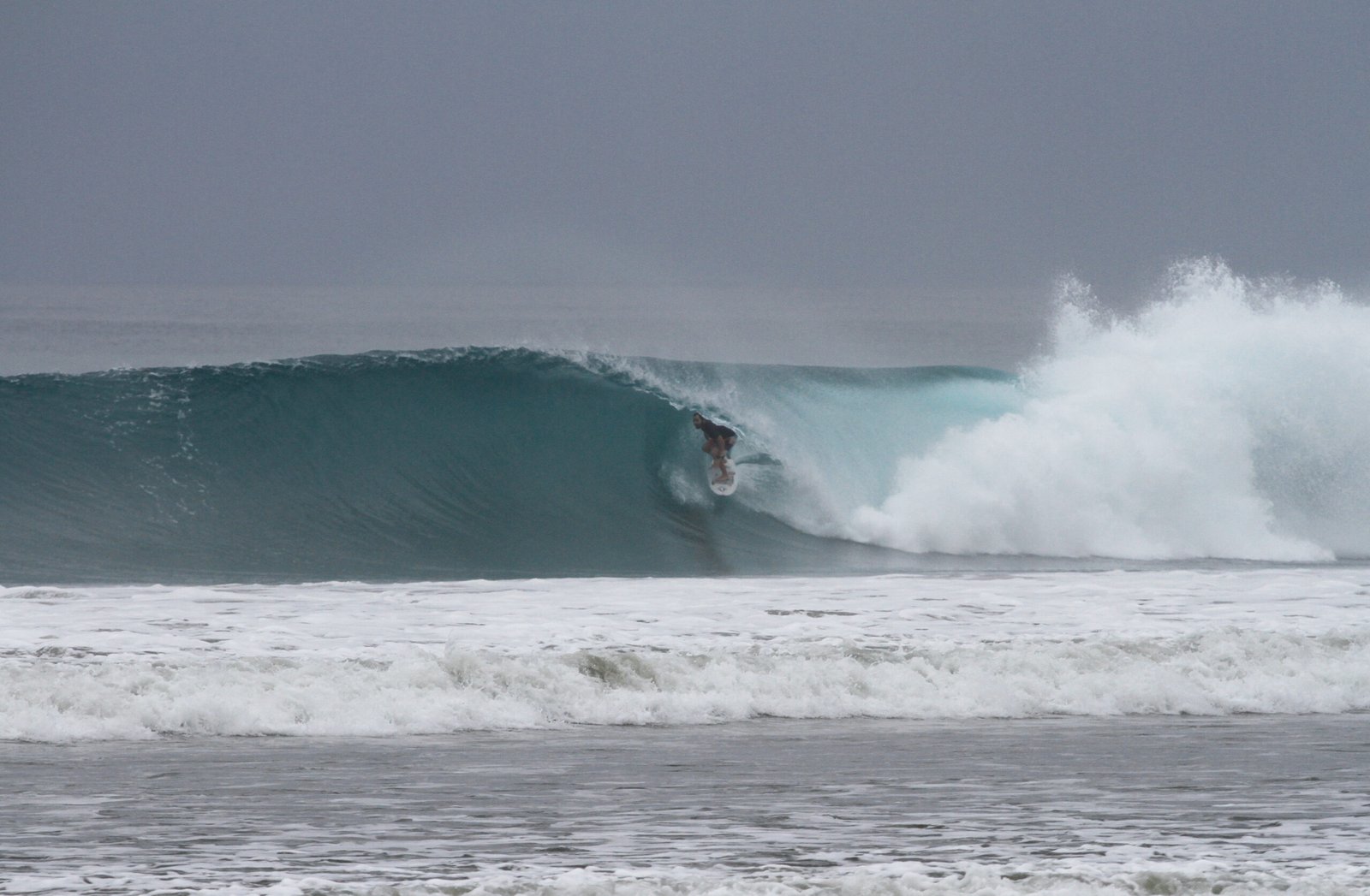
We arrived at 8:00 AM and knew it immediately. The swell was at its full expression: perfect waves up to 5 meters on the face, breaking clean along the entire beach. Many surfers were in the water, but very few were actually catching waves. The force and the mass of water moving was such that if you didn’t have a board with serious volume and the physical strength to match it, the wave would leave you in the worst possible place: the impact zone.
Watching Power You Can’t Fake
That first day, I made the call not to paddle out. On a bodyboard, I wasn’t prepared for that power, and even less for that size. Instead, I filmed. From the sand, with my phone, I captured the raw power of it.
And while we enjoyed the show, we watched the ocean hand out lessons. One surfer came in with his legs cut and bruised by his own board. Another had someone drop in on him mid-wave and took the full beating of it. Surfers came out of the water with broken boards and a new respect in their eyes for something they hadn’t expected. The sea held ideal conditions for most of the day, and for many of the surfers present, it was a complete reality check.
Day Two: Paddling Out
On Wednesday the 11th, I came back decided to get in. The energy and size had dropped a little, putting the waves in the 3 to 4 meter range on the face, with peaks and channels that made entry possible.
I went straight in without overthinking it, on my bodyboard. After settling my nerves, I positioned myself and worked toward catching a couple of waves. I managed to drop into a couple of big peaks, and I’ll be honest: I was nervous most of the time. But even so, I enjoyed some good, intense drops and serious take-offs. I didn’t get lucky with the barrels, but the day delivered. It was an intense day in every sense, and we got to talk with several friends about how perfect the ocean was.
What This Wave Asks of You
If there’s one thing San José taught me, it’s that you need to be physically ready, but mentally ready even more. Without a calm mind, everything can go from bad to worse in an instant.
This wave can be surfed at almost any size, but the ideal setup for fun and for incredible barrels is mid-tide, coming up or going down, glassy, and with swell that carries a west influence. One serious warning: be very careful when you drop in. It can look deep, but the sandbars are a real danger if you go head-first.
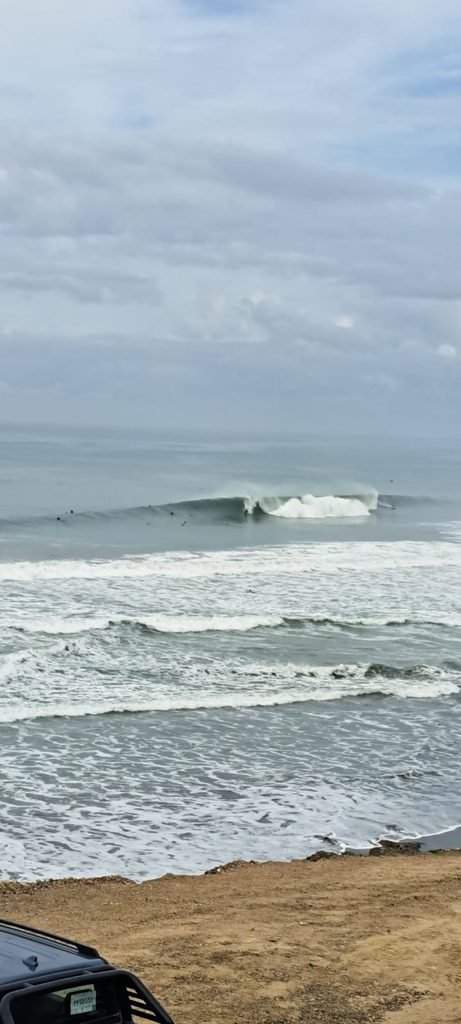
When to Come, and Why You’ll Need a Guide
The best season is February to April, though with El Niño the good conditions may start earlier and last well into May. For size, this wave suits intermediate and advanced surfers once it’s over a meter and a half.
And here’s the part most visitors don’t expect: you need a guide just to get in. Access now runs through a new development that’s been built, and you need local knowledge of the tide that lets a vehicle reach the spot. Reading the wave is one thing; getting to it is another. That’s exactly what a local guide is for.