Where to Surf in Ecuador: A Local Guide to Manta’s Best Waves
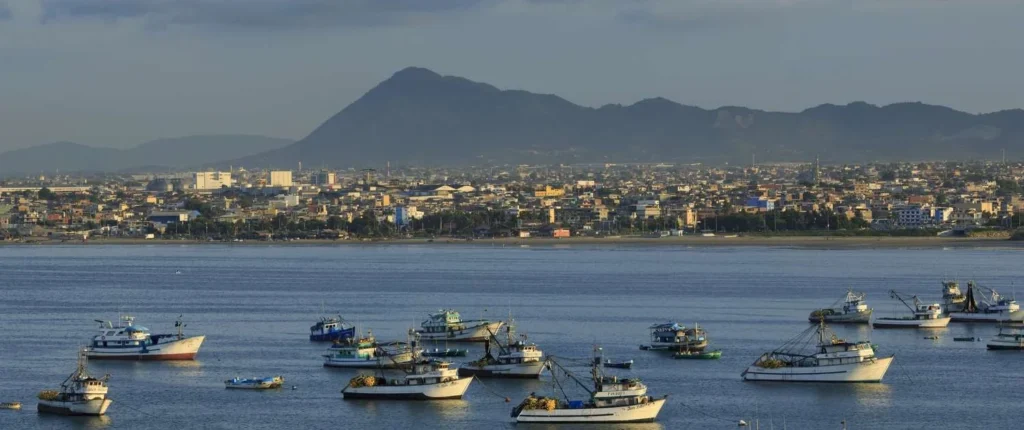
Most people have never heard of Manta as a surf destination. That’s exactly why it’s good.
While the crowds head to Montañita and the well known spots down south, the central coast of Manabí quietly holds more than 25 surf breaks within two hours of Manta: beach breaks, point breaks, reef breaks and slabs, for every level, most of them uncrowded most of the time.
I’ve spent 29 years surfing these waves. I know which one is firing today, for your level, on this tide and this swell, and just as important, how to get to it and how to come back safe. This is the overview. Each wave below has its own full story; follow the links to go deeper.
The waves of Manta, Ecuador
San Mateo: the longest left, reborn as four waves
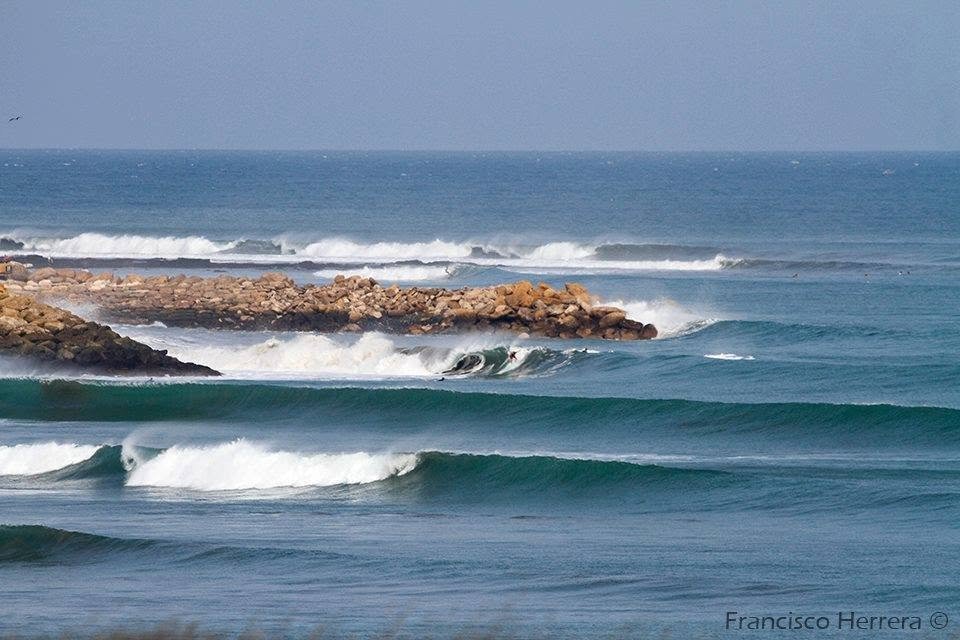
San Mateo was once home to the longest left in Ecuador, a 1,200 meter wall. Then a fishing pier cut it in half, and something nobody expected happened: where there was one wave, a mother and three daughters were born. Today it’s four distinct waves in one bay, from a forgiving point that works for all levels to El Faro 2, a heavy, tubular left for experts only. It’s the best place to understand how alive and changing this coast really is.
👉 Read the full story of San Mateo →
San José: the wave that humbles everyone
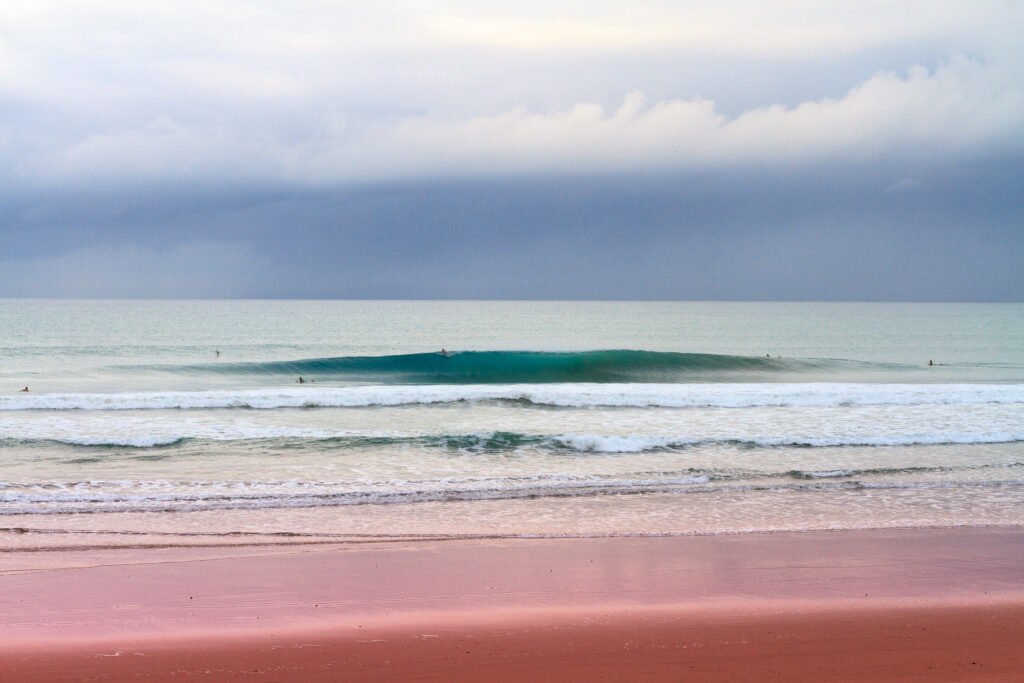
When San José turns on, it’s one of the most serious waves on the coast: clean faces up to 4 or 5 meters, breaking along the whole beach. It’s a wave for intermediate and advanced surfers, and here’s what most visitors don’t expect: you need a guide just to get in. Access runs through a new private development, and reaching the spot takes local knowledge of the tide to get a vehicle through. Reading the wave is one thing; getting to it is another.
👉 Read about two days at San José →
San Lorenzo Lighthouse: the secret hiding in plain sight
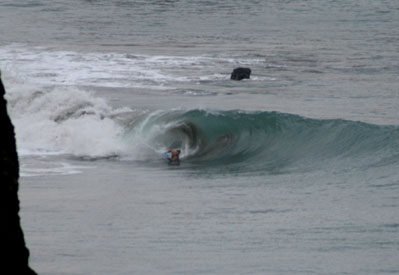
Right behind the San Lorenzo lighthouse, just south of Manta, there’s a left-hand reef break that most surfers drive right past. It barrels right off the take-off, breaks over sand and rock, and comes alive on southwest swells at low tide. The locals tend to chase easier, better-known spots, which is exactly why this one stays empty. For those willing to turn their back on the crowd, it’s like having a private session with the ocean.
👉 Read about San Lorenzo Lighthouse →
The Perfect Slab: for those who respect the ocean
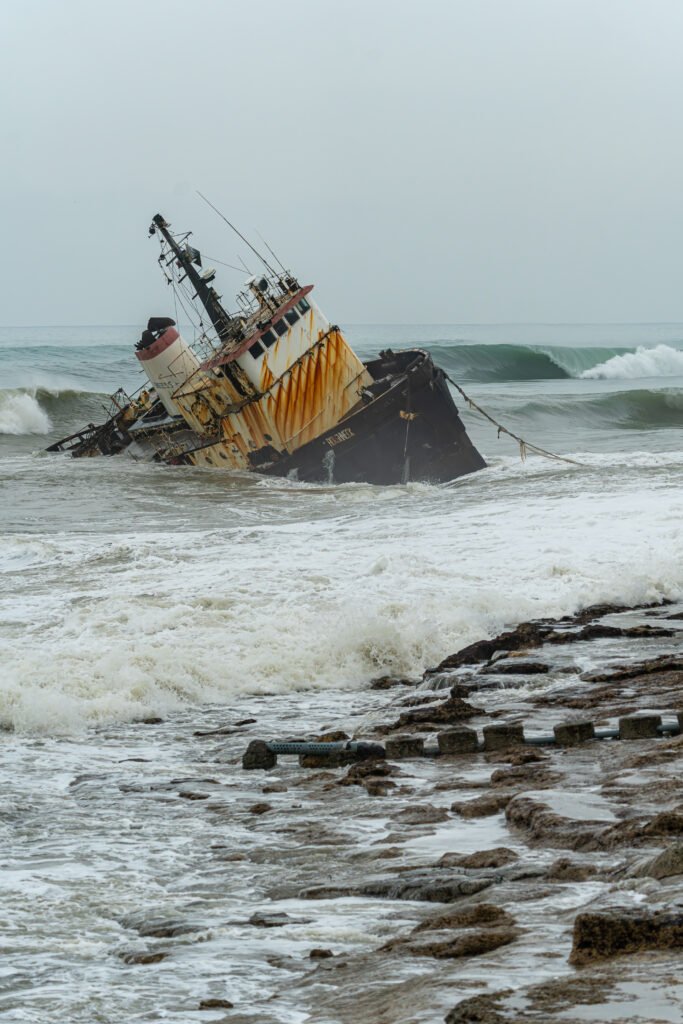
The Perfect Slab is a wave we’ve been chasing for quite some time, and one of the most untouched spots on this coast. Near Punta Blanca, in Jaramijó, it’s a perfect cylinder breaking over a rocky reef, formed by powerful northern swells and deep water. It’s fast, it’s heavy, and it’s genuinely dangerous, a wave that demands the right equipment, the right conditions, and real respect for the ocean. Not a wave to learn on. But a story worth reading, and a reminder of what this coast can produce.
👉 Read “In Search of the Perfect Slab” →
When to come
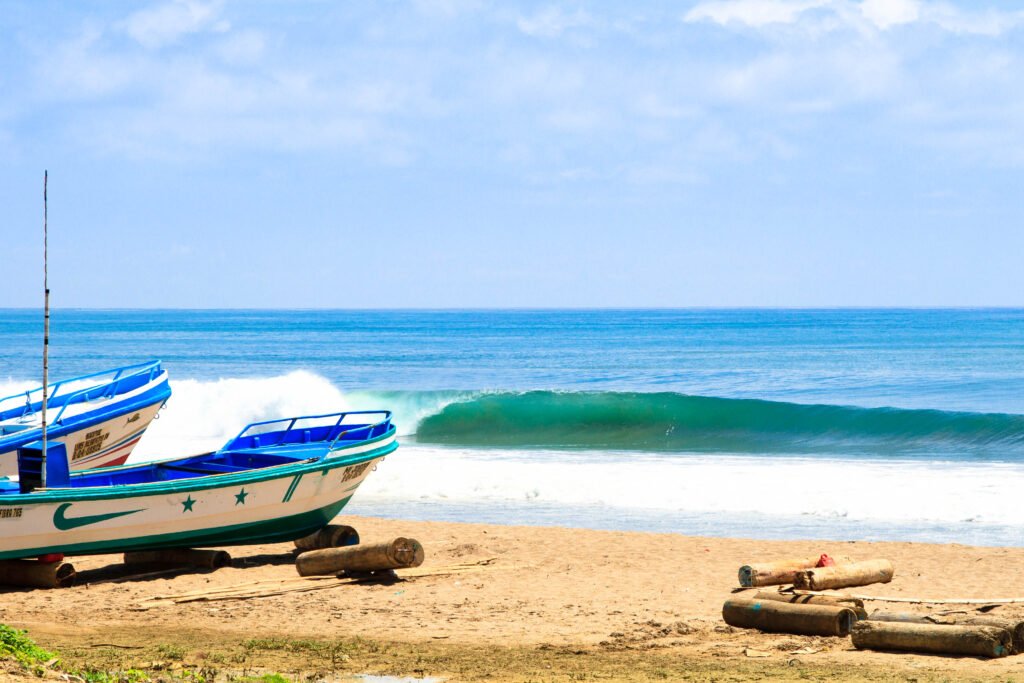
The surf season runs from November through April, and the sweet spot is December through March, when north and northwest swells meet glassy mornings and warm water. In El Niño years the window stretches, running from October through May. The rest of the year is a different game: southwest swells and cooler water, with some north-facing beaches still firing. The full breakdown is on our surf seasons page →, and here’s how El Niño changes the picture →
Why surf Manta with a local?
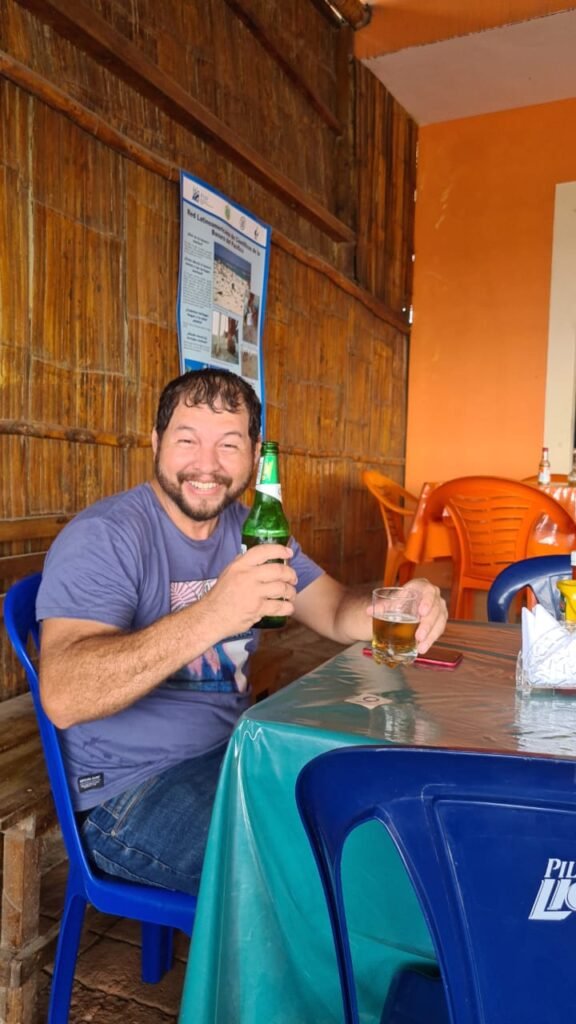
Knowing where the waves are is the easy part. Knowing which one is working today for your level, how to get in, and who to say hello to when you get there is what a local gives you.
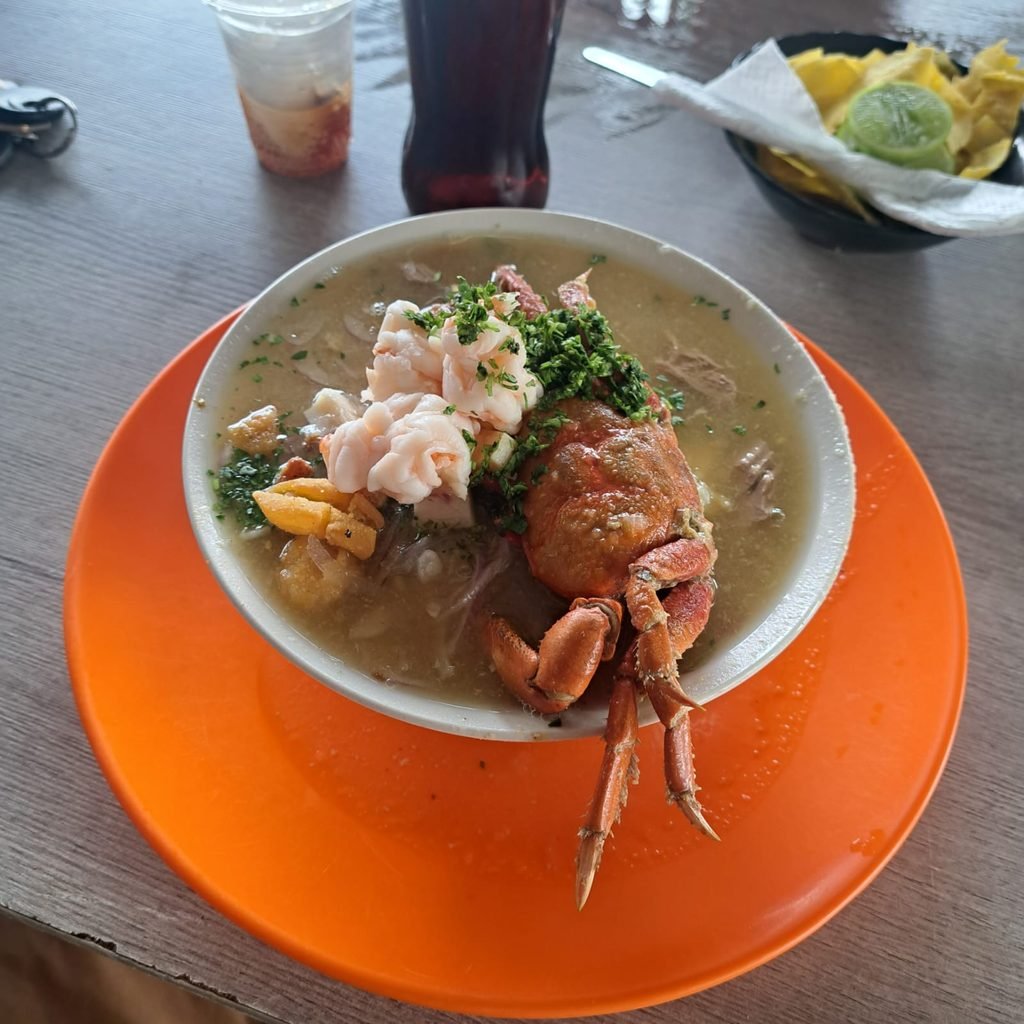
A local takes you to the best spots on this coast and into the community around them: the surfers in the lineup, the families on these beaches, the places to eat and find a cold craft beer after the session. That’s the difference between surfing in Ecuador and feeling at home in Ecuador.
And it comes with the technical side that keeps you safe and puts you on the right wave. These are not beginner beach breaks with lifeguards and rental shacks. They’re real waves, with rocks, currents, shifting sandbars, boats and access that changes with the tide. Reading the swell, the tide, the wind and the crowd is the part that takes years.
That’s exactly what I do. I’m José Moreira, licensed local guide, registered with Ecuador’s Ministry of Tourism, 29 years on these waves. I connect you with the right wave for your level and the local community, so you have a great experience in and out of the water. A few safety notes for travelers here →
Ready to surf Ecuador? Message me and let’s find your dates.