Surfing San Mateo, Ecuador: The Story of a Mother Wave and Her Three Daughters
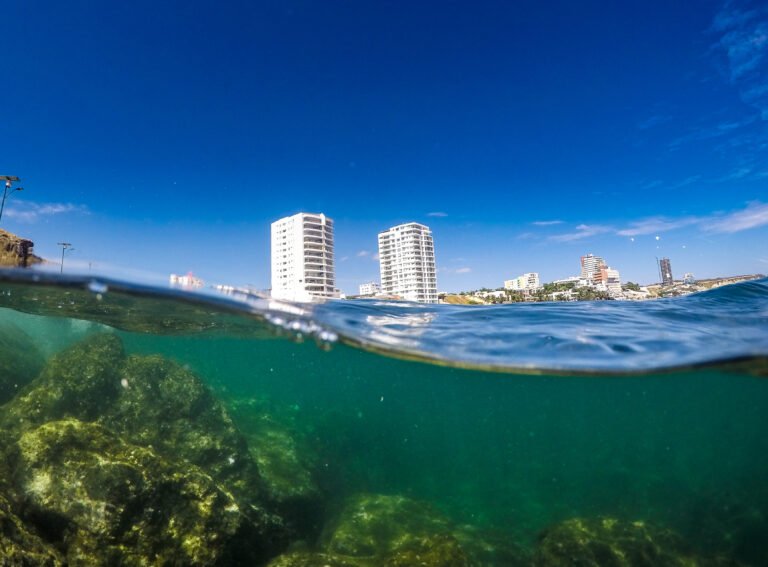
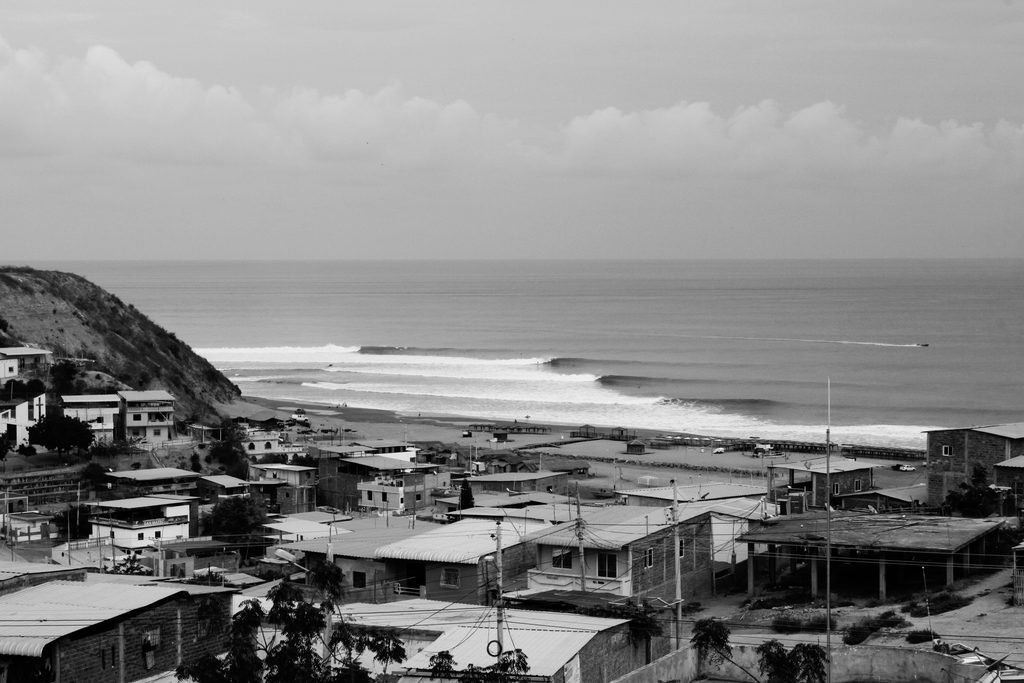
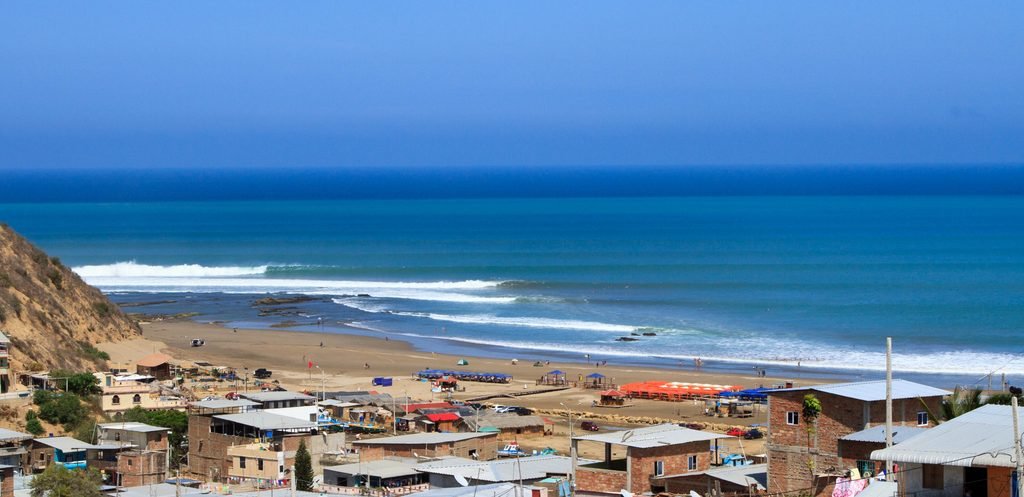
Most surf spots have a wave. San Mateo has a family of them, one mother wave and three daughters born from a single act of rocks, concrete and steel. Just southwest of Manta, San Mateo, a fishing town, was once home to the longest left in Ecuador: a single, endless wall that peeled across the bay. Then, between 2010 and 2012, everything changed. And what looked like the end of the wave turned into something almost nobody expected. This is a spot I really love. Here’s what happened, what breaks here today, and what you need to know before you paddle out.
From a threat to a family of waves
When the plan to build the San Mateo fishing pier appeared, the surf community fought it hard. The original location would have destroyed the wave completely. But there were competing interests: the surfers saw a world class wave worth protecting, while many local fishermen wanted the pier built right in front of the village, close enough to watch their boats from home, the way it had always been before there was any pier at all. Two ways of seeing the same stretch of coast.
The pressure from the surf community worked, not to stop the pier, but to move it from where it was first planned to where it stands today. That fight mattered more than anyone realized at the time.
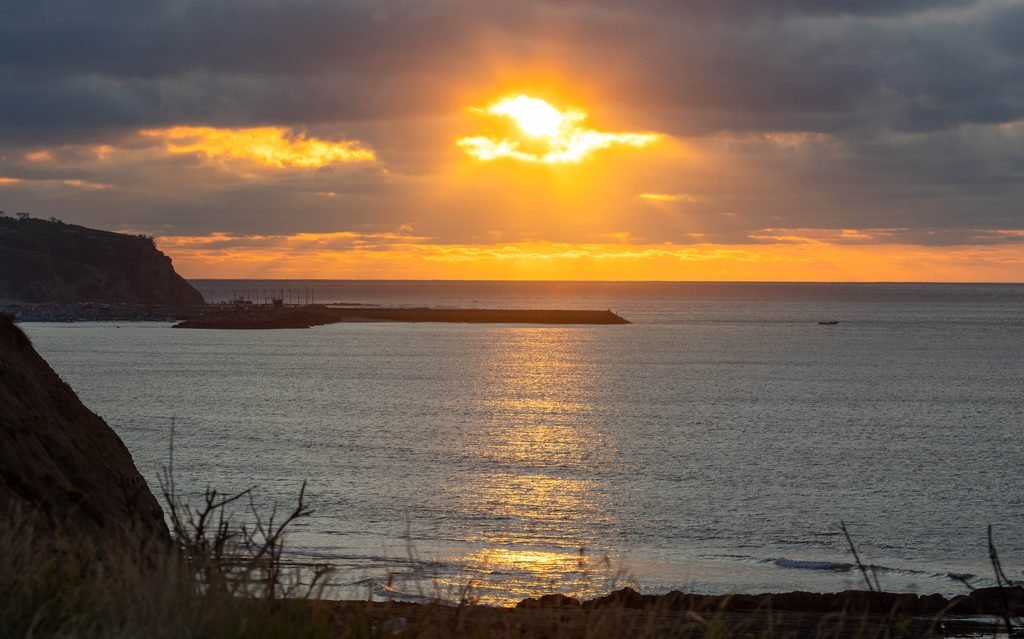
The pier still cut the original left roughly in half. And “half” is not a figure of speech: before the pier, San Mateo was considered the longest left in all of Ecuador, a point break that could give you rides of up to 1,200 meters; perfect, long, and endless. After the pier went in, that same wave was reduced to walls of around 200 to 400 meters. On paper, a heavy loss. But the ocean had other plans. The structure, the way it changed how sand settled, and a later extension of the pier’s arm to protect the harbor entrance, together, they reshaped the whole bay. The mother wave gave up part of her length and in return, three new waves were born around her.
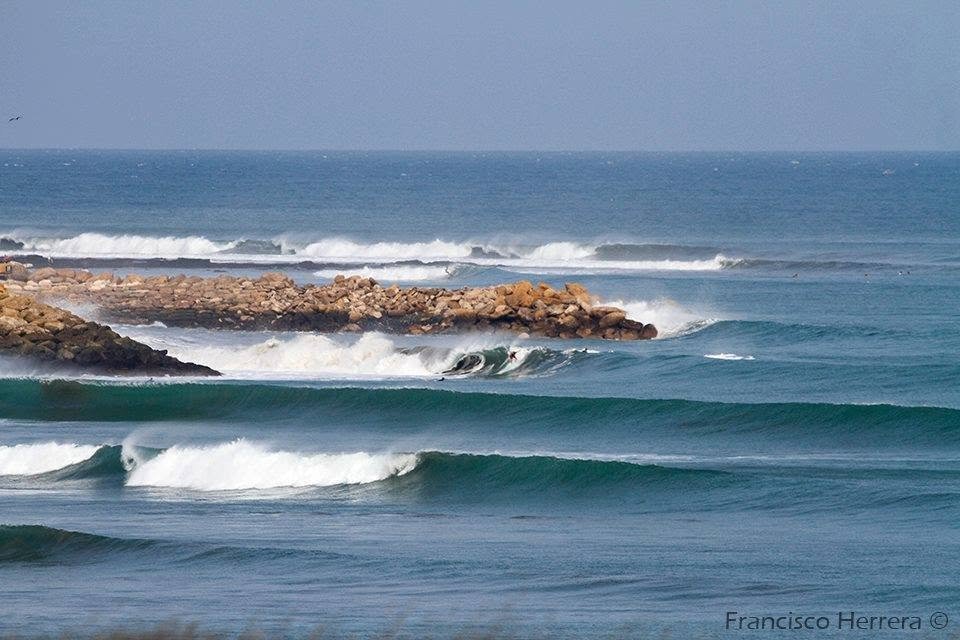
For a surfer, that’s a rare thing: one spot, four completely different personalities, all within sight of each other. Which one is working depends on the swell, the size, and the tide and reading that correctly is the whole game here.
The waves of San Mateo, in the order they were born
What makes San Mateo rare is that you can read the whole family story right there in the water: the mother wave that was always here, and her three daughters each one born at a different moment, shaped by the pier and the way the sand rearranged itself around it. Here they are, in the order they came into the world.
La Punta, the mother wave
This is the wave that was always here, the mother of them all. Old surfers used to call it El Sombrero (“the hat”), after a rock at the point shaped like one until erosion wore the rock away and took the name with it. Today everyone just calls it La Punta, the point of San Mateo.
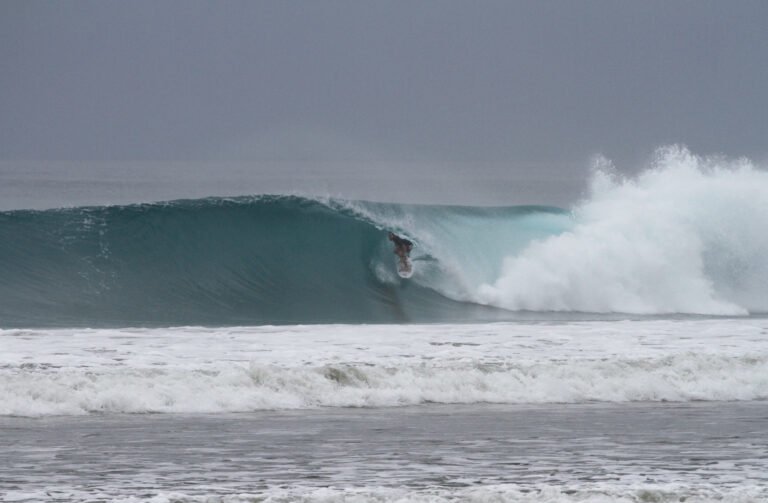
It’s a left over a rock bottom, and when north and northeast swells arrive, it turns powerful holding waves over 3 meters with a long ride. It works for surfers of all levels on the right day, but there’s a real caution when it gets big: the end section closes out hard over rocks that sit close to the surface near the finish. That closeout can hurt you if you don’t pay attention because you are having too much fun. Get off the wave in time!!
El Rebote, the wedge that’s fading
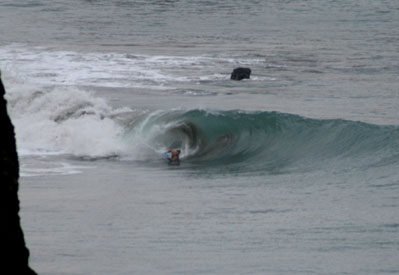
The first wave to appear was El Rebote: all the energy of the left bounced off the new pier and produced a powerful, hollow right with a beautiful ramp for all kinds of maneuvers, and it worked on any swell. The locals called it “El Murciélago chiquito”, little Murciélago, because it carried the same wedge characteristics as El Murciélago, Manta’s legendary bodyboard wave.
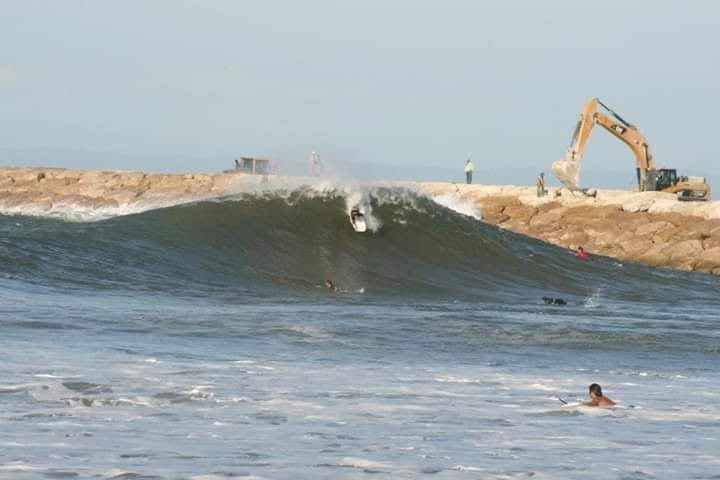
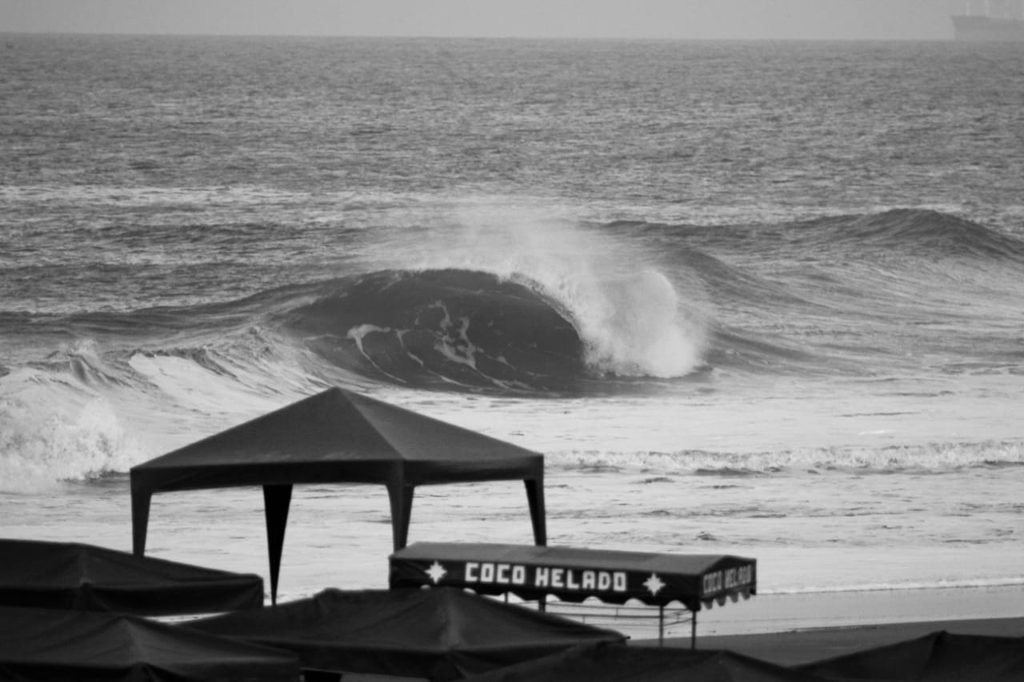
But the sea kept moving. Over time, sedimentation changed everything, and today El Rebote is a shadow of what it was, it only works when the swell direction and the tide are just right, and not too big, or it closes out. A wave that was born powerful from the pier and is slowly being erased by the same forces that created it. San Mateo is like that: nothing here stays the same for long.
El Faro 1, the long left into the bay
Second came El Faro 1. When it was born it was an imposing wave, a powerful, hollow tube over a bottom of sand and rock. And with time it only grew stronger.
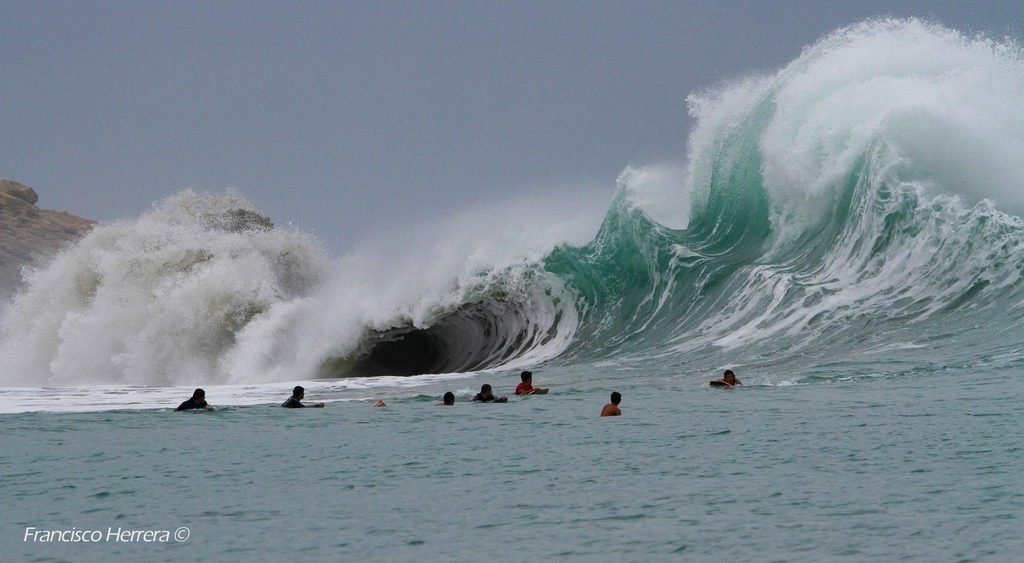
But that strength came with a problem: the sand kept building up and choking the harbor entrance, and the fishermen couldn’t get their boats through. So the authorities and local officials decided to extend the pier’s arm, the same arm by El Rebote to try to stop sand moving and protect the entrance. It worked, in part: it reduced El Faro 1’s power, but it did not stop the sedimentation. It only pushed it somewhere else. (Hold onto that detail, it’s exactly what gave birth to the best wave of all.)
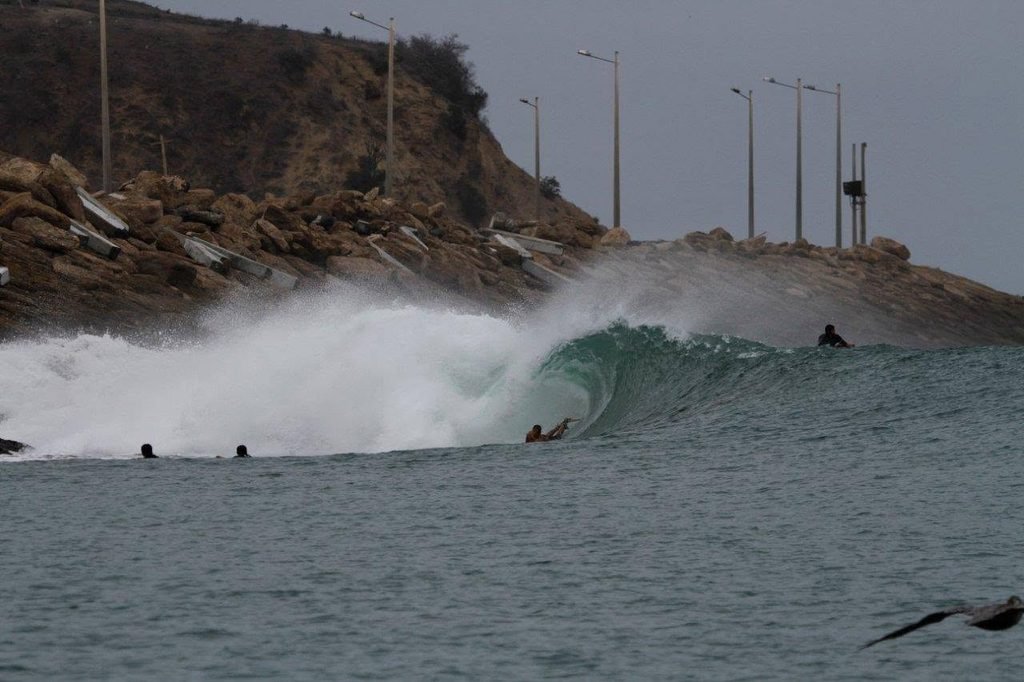
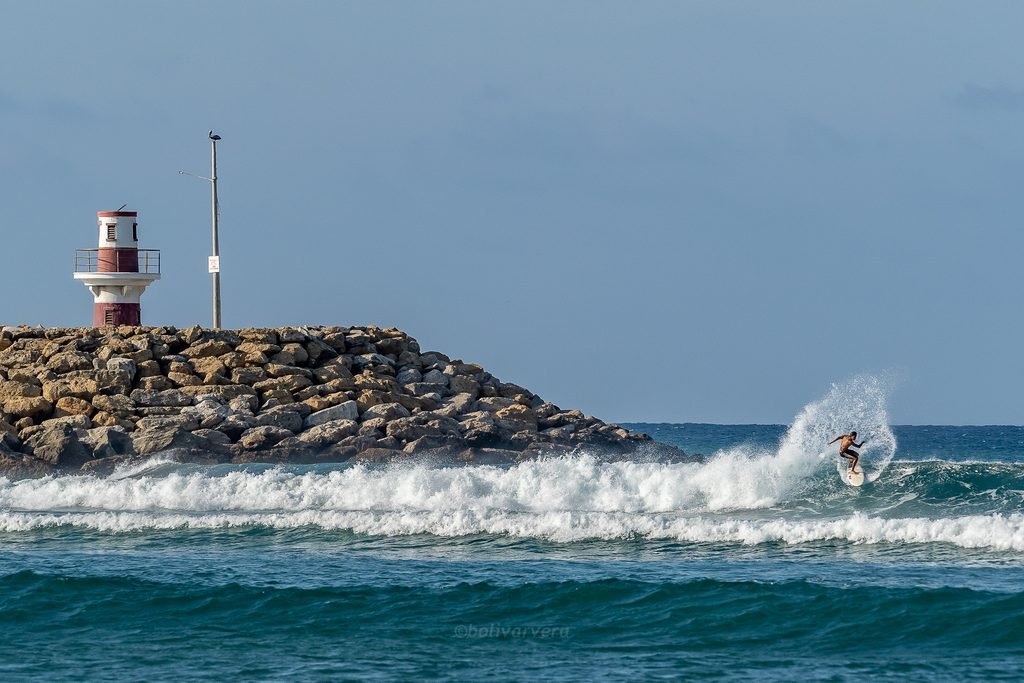
Today El Faro 1 is no longer the tube it once was. It only barrels when the swell has the right size and direction. But make no mistake: when there’s size, it’s still a powerful, seriously fun wave a long left that finishes deep in the bay, good for maneuvers on shortboards and longboards alike.
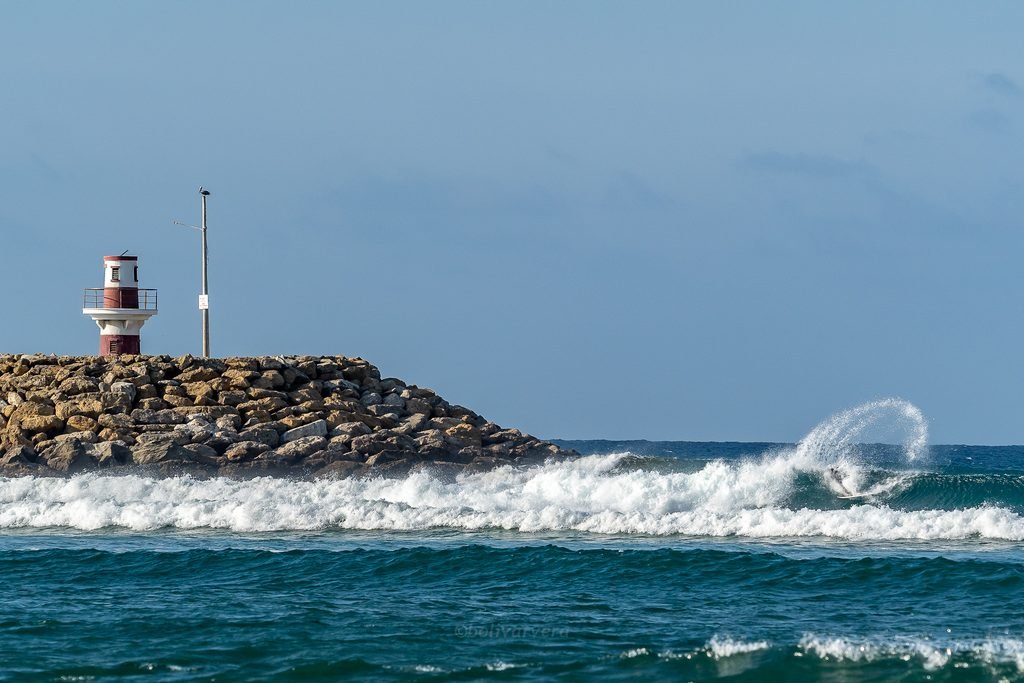
The one real hazard here: boats entering the harbor. You have to stay aware of them the whole time to avoid an accident, one more reason this wave rewards someone who knows the rhythm of the place over someone guessing.
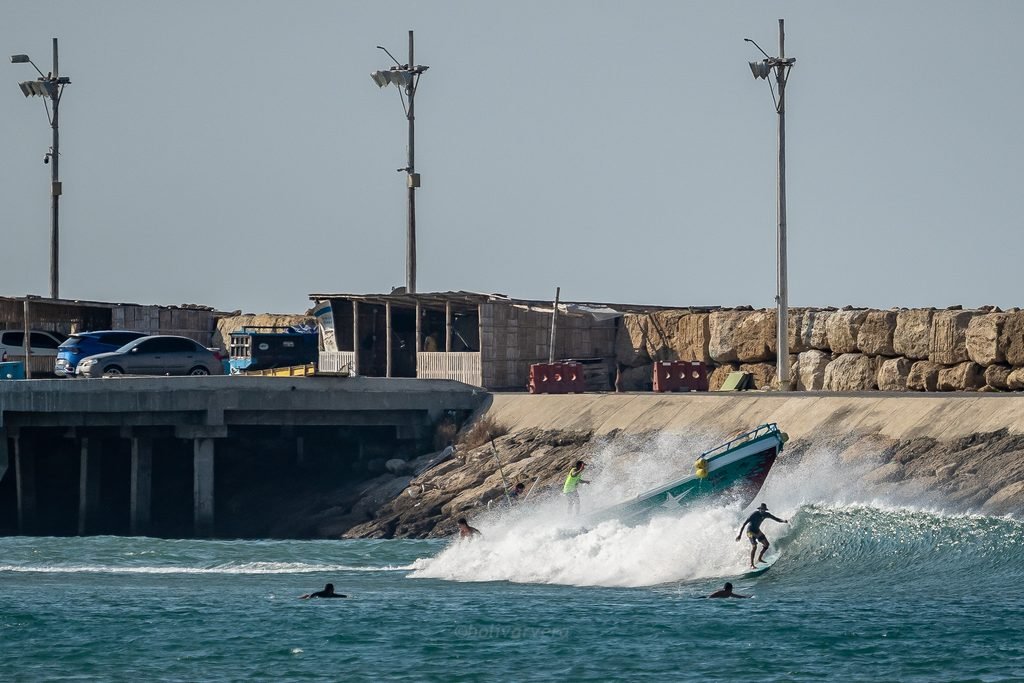
El Faro 2, the crown jewel
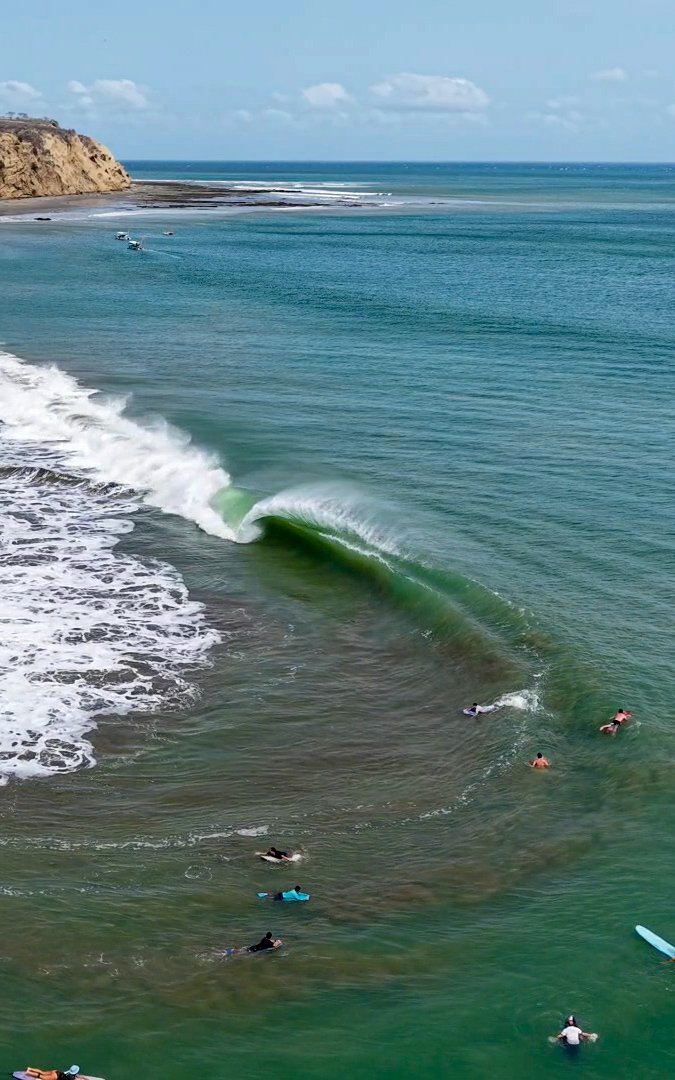
Last to be born, and now the best of them all. When the authorities extended the pier’s arm to protect the harbor entrance, the sedimentation stopped in one place and built up in another and out of that came El Faro 2.
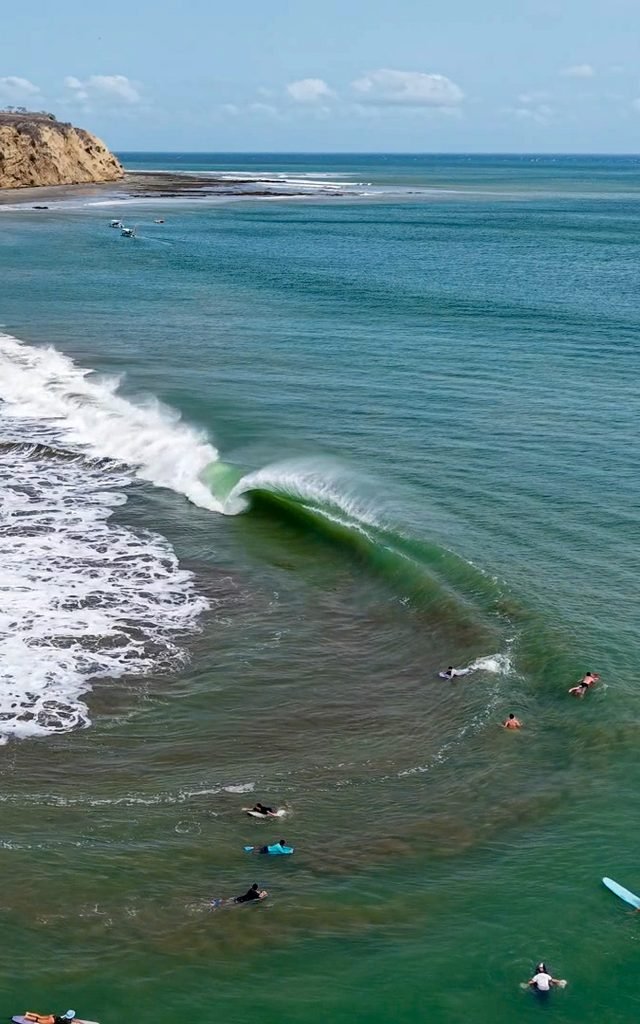
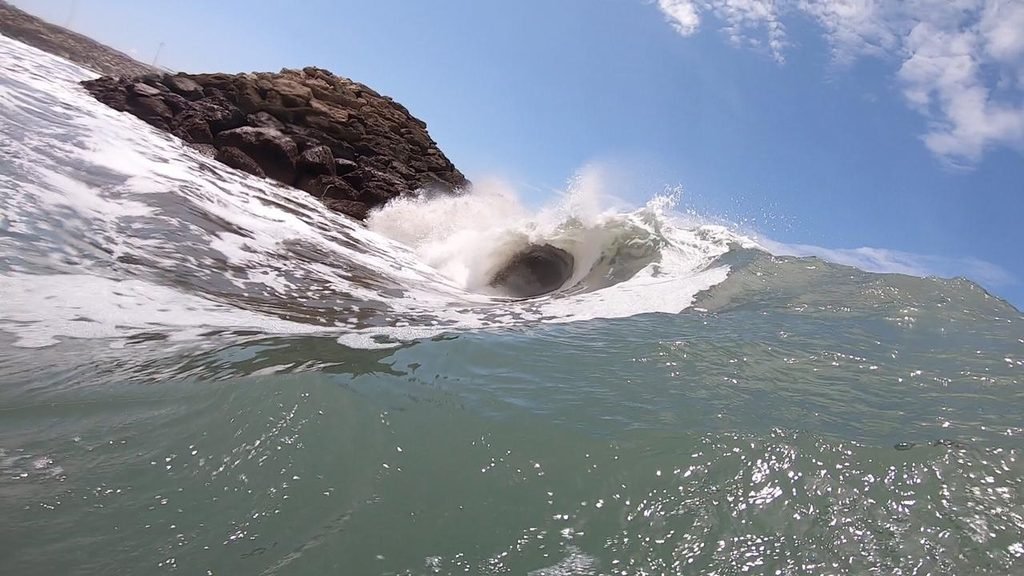
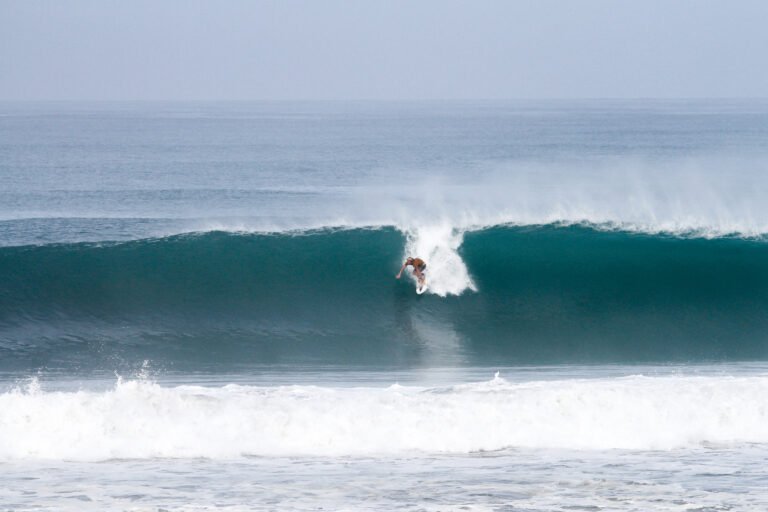
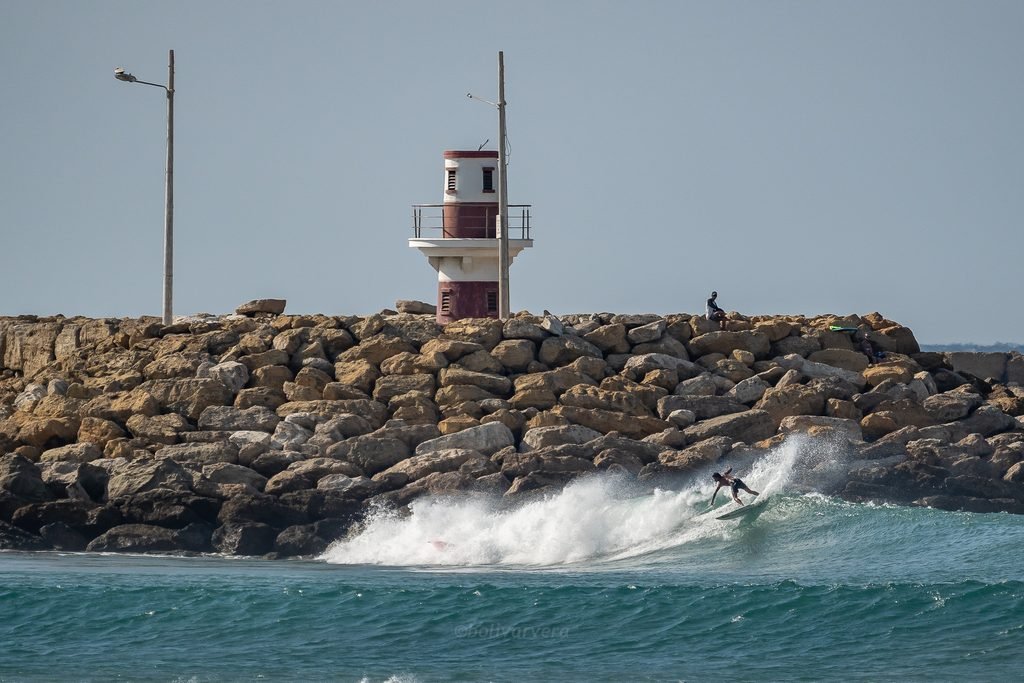
It’s a powerful, tubular left over a sand bottom and make no mistake, this is the most demanding wave of the four. It breaks big in less than a meter of water. Fall on the take off and you’re risking a serious injury, because there’s almost nothing under you. Misjudge it and the current can drag you into the rocks of the pier’s arm. Through the take off and the barrel, this is a wave for locals and people who really know what they’re doing not a place to learn.
But ride it well, and it rewards you like nothing else: once you control that take off, El Faro 2 throws a perfect barrel the kind where time seems to stop and it’s just you and the wave before unfolding into a long, beautiful wall open to every kind of maneuver. A heavy, committing entry that opens into a dream. That’s exactly why it’s the crown jewel. When San Mateo is on, this is the wave you’re hoping for. It’s also the one that most demands respect.
When to surf San Mateo
Ecuador’s prime surf season runs roughly December through April, when northwest swells from North Pacific winter storms hit the coast and the winds are mostly light and glassy. Those are the classic months, and San Mateo lights up like the rest of the country.
But here’s what most guides won’t tell you, and it’s the real advantage of this wave: San Mateo also works in the off season. During the south and west swell months, because the point of San Mateo is so far out, the swell hits the built up sedimentation from the pier and amplifies, generating waves when much of the north coast of Manta has gone quiet. And there’s a bonus: because this is a north facing coast, the winds that mess up other spots in that season don’t bother San Mateo the same way.
Translation for you as a traveler: San Mateo is one of the few spots that can deliver with good conditions almost year round. That’s a real edge if your dates don’t line up with the classic season and it’s exactly the kind of thing a local knows and a forecast website doesn’t.
Why San Mateo is one of my favorite spots
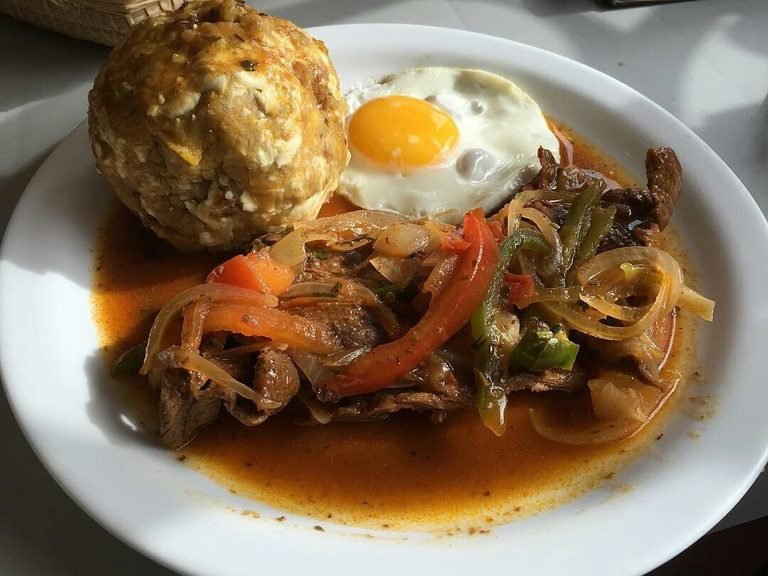
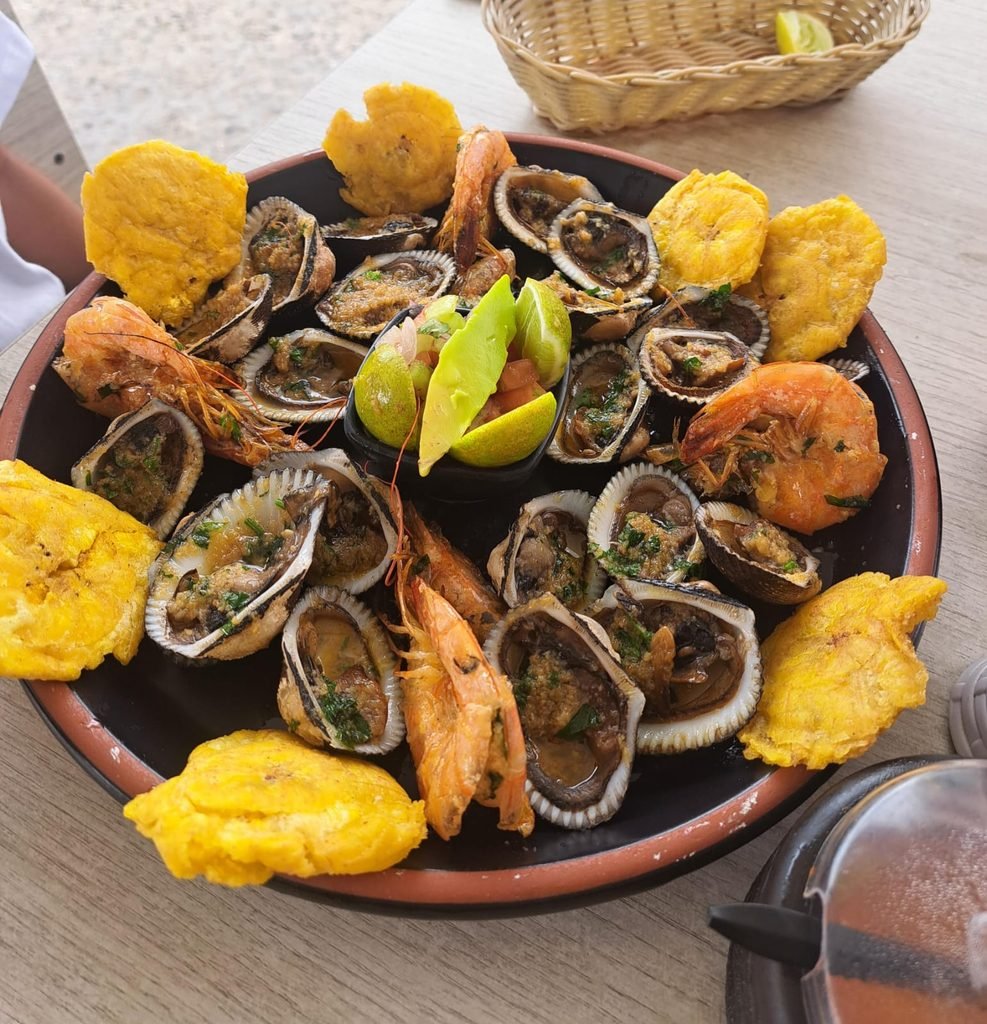
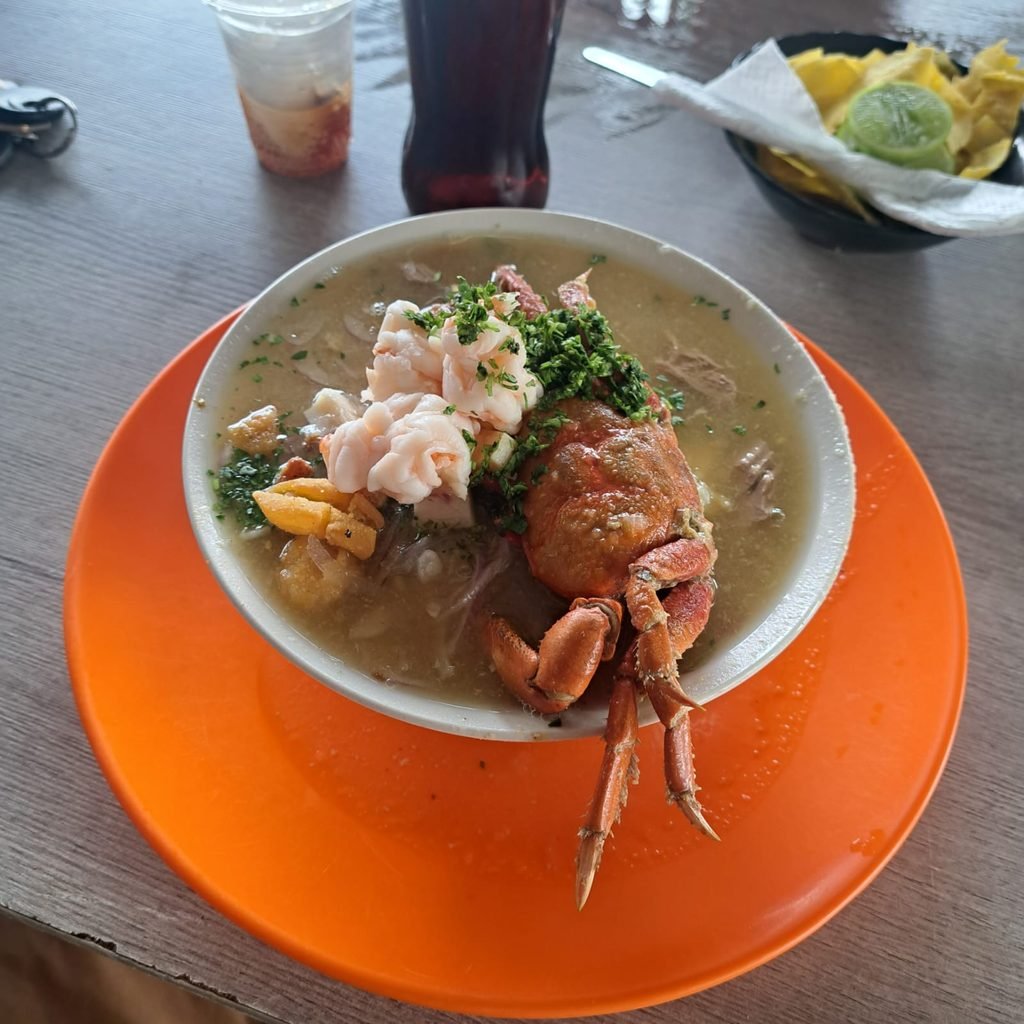
Beyond the surf, San Mateo is easy: quick access from the city, so you’re not burning half your day getting there. And when the session’s done, the malecón is right there, a proper feast of fresh seafood and a cold beer, then rest up for the next session. Waves, food, and an easy rhythm, all in one place.
And there’s another side to San Mateo that the talk of tubes and power can hide: when the waves aren’t pumping, this place turns mellow and welcoming. In fact, San Mateo is home to a thriving longboard community, proof that on the softer days, these waves are a pleasure for surfers of every level, not just the chargers. Beginner, intermediate, or seasoned there’s a version of San Mateo for you. The trick is knowing which day, and which of its waves, matches where you’re at. That’s where a local comes in.
But here’s the honest truth about San Mateo: it’s four waves that change with the swell, the size and the tide, with rocks in one spot, boats in another, and closeouts you need to see coming. And there’s a human side too. When a good swell lands, the lineup fills up fast locals and visitors all chasing the same waves. San Mateo has a real local community, and like anywhere in the world, respect in the water matters: knowing the right hour, the right peak, and how to share the wave is what keeps the session good for everyone and free of friction.
None of that is a warning to keep you away, it’s the reason you want a local by your side. Someone who reads the waves and the crowd, knows when and where to paddle out, introduces you to the lineup, and puts you on the right wave for your level, on the right day. Here, the hour and the spot decide how your day goes. That’s exactly what I do.
Ready to surf San Mateo? Message me and let’s set your dates.

José Moreira is a licensed local tourism guide registered with Ecuador’s Ministry of Tourism. With over 29 years of experience surfing and reading the waves, wind, and tides along the central coast of Manabí, he provides expert guiding, safety, and authentic local access for surfers of all levels.